Things that we love on this Saturday morning

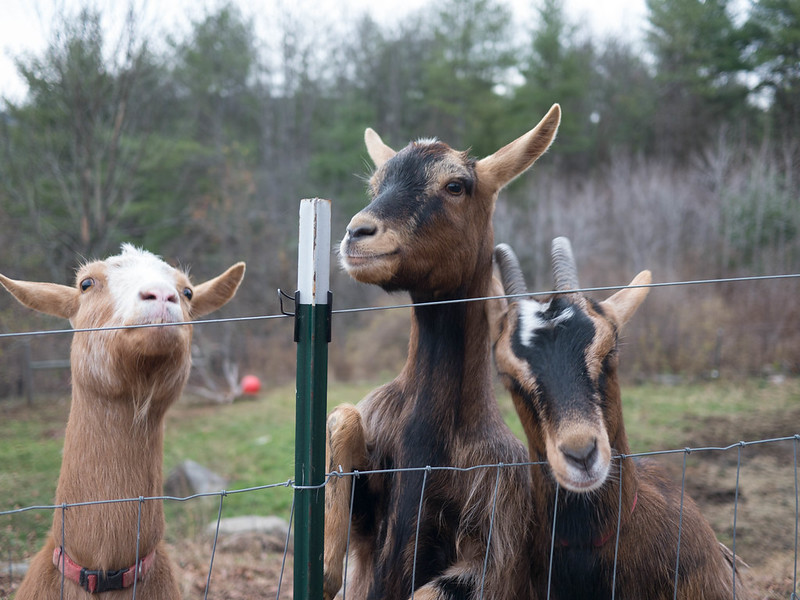
They seem to like ginger snaps

:: Goats with ginger snap breath.

:: Reusable hand warmers. Every under-insulated farm house I live in should have a good supply.

:: The Public Domain Review, a treasure trove of images that have fallen out of copyright and into the public domain. And excellent essays, too.

:: George Ezra singing “Budapest”. H and I can’t stop dancing.

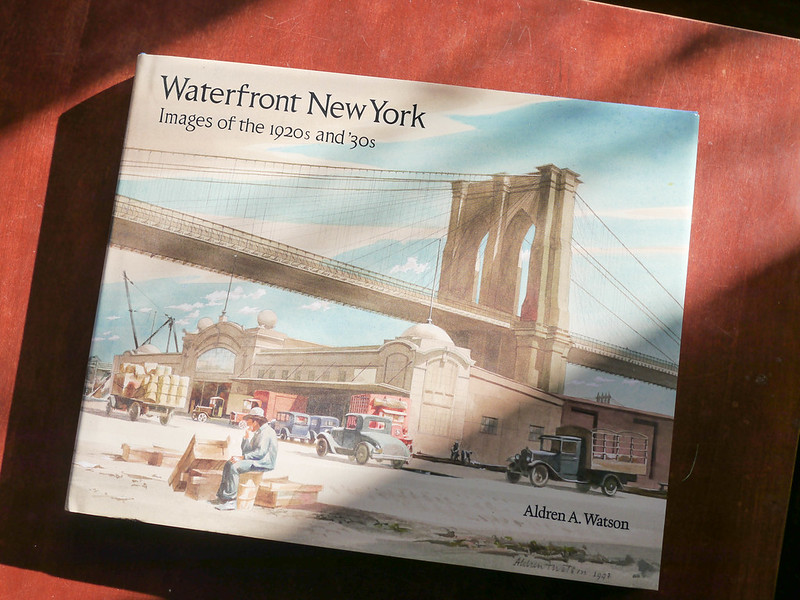
:: A gorgeous book of watercolor paintings by our friend’s father, Aldren Watson.

Waterfront New York

266 Water Street

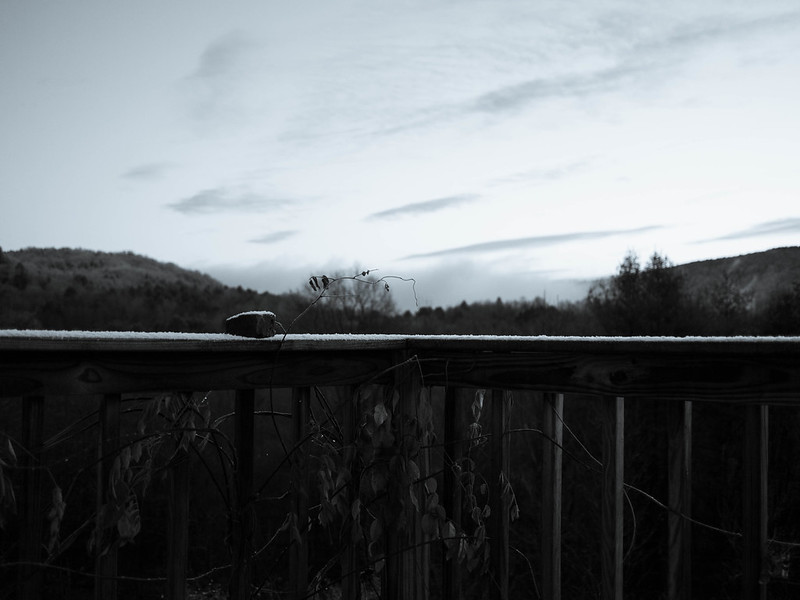
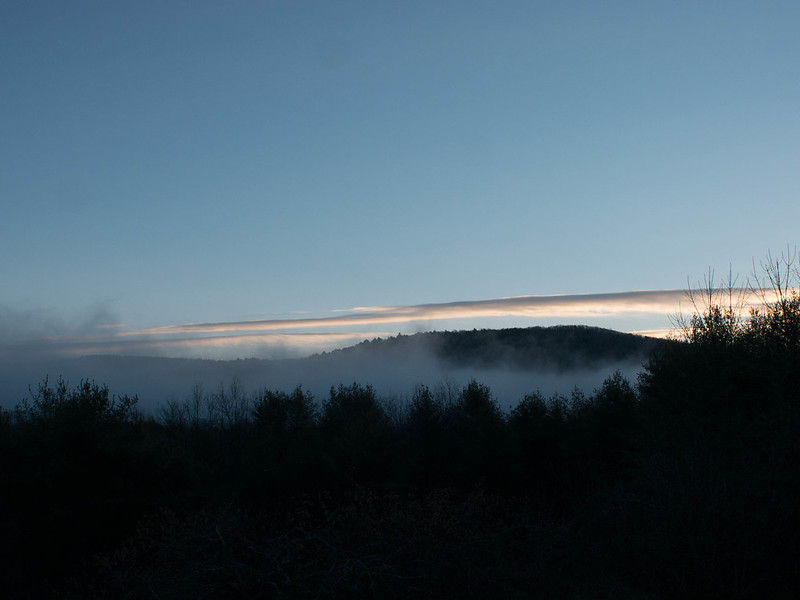
Winter comes to November

Line

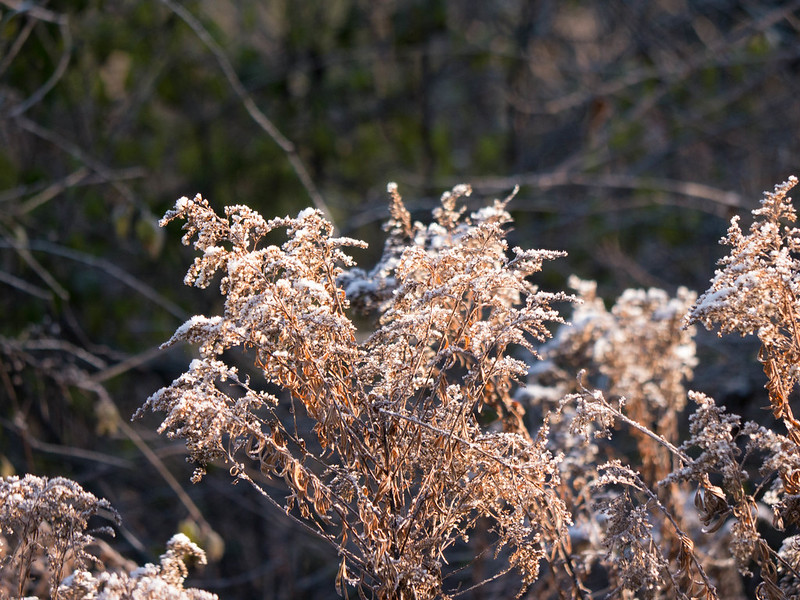
Fur

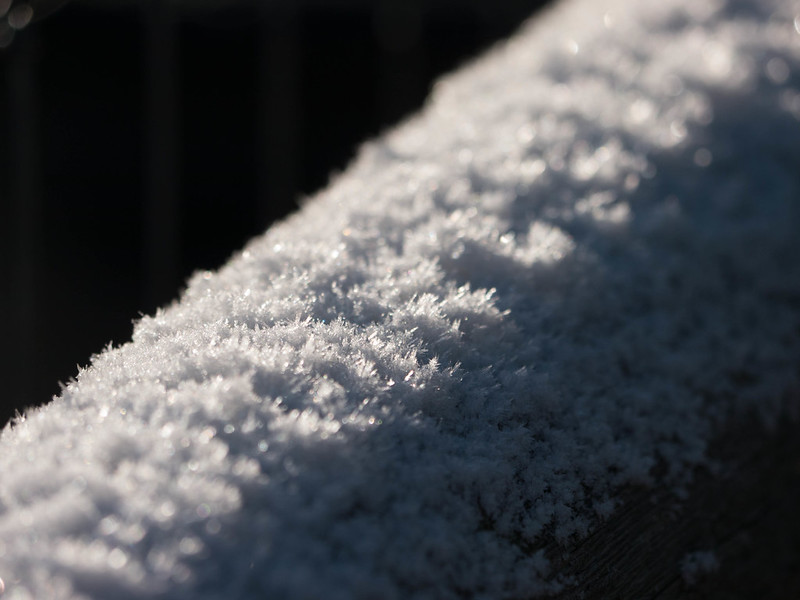
First dusting

Worth it

Falling Leaves and Early Snow

In the years to come they will say,
“They fell like the leaves
In the autumn of nineteen thirty-nine.”
November has come to the forest,
To the meadows where we picked the cyclamen.
The year fades with the white frost
On the brown sedge in the hazy meadows,
Where the deer tracks were black in the morning.
Ice forms in the shadows;
Disheveled maples hang over the water;
Deep gold sunlight glistens on the shrunken stream.
Somnolent trout move through pillars of brown and gold.
The yellow maple leaves eddy above them,
The glittering leaves of the cottonwood,
The olive, velvety alder leaves,
The scarlet dogwood leaves,
Most poignant of all.

In the afternoon thin blades of cloud
Move over the mountains;
The storm clouds follow them;
Fine rain falls without wind.
The forest is filled with wet resonant silence.
When the rain pauses the clouds
Cling to the cliffs and the waterfalls.
In the evening the wind changes;
Snow falls in the sunset.
We stand in the snowy twilight
And watch the moon rise in a breach of cloud.
Between the black pines lie narrow bands of moonlight,
Glimmering with floating snow.
An owl cries in the sifting darkness.
The moon has a sheen like a glacier.

–Kenneth Rexroth, from The Collected Shorter Poems. Copyright © 1940

Pivot

The first night we stayed in this house, 20 years ago last March, we slept on a futon on the floor in a small second-floor bedroom that had a cracked and crumbling plaster wall. And we were smitten.

That wall didn’t bother us much. The whole house was a project, and the crumbling wall seemed the least of it. We were naive, newly married, and thrilled to become owners of an ancient farmhouse with hewn beams, worn pine floors, and a wood stove.

At first, the room remained a spare bedroom with a cracked plaster wall. Eventually, when Hyla came along, we hired a guy who did plaster the old way (with cow hair mixed in) to repair the cracks and make the room fresh for a baby.

Continue reading “Pivot”

Here be dragons

1552 Comet Illustration

(Augsburger Wunderzeichenbuch, Folio 28, c. 1552)

The drive from Toronto to this patch of land in Vermont takes about nine hours when you follow the “northern route,” which skirts the northern shore of Lake Ontario, follows the St. Lawrence River east, and then bangs a right at Montreal, south to the US border.

At least half of the drive is on a single road, officially called the Macdonald-Cartier freeway, but which we grew up knowing as Highway 401 (“the four-oh-one”). You don’t need a GPS or even a map to get from Toronto to Montreal. And, really, you can make it all the way to Vermont by just following the road signs (even if they are all stubbornly in French only once you enter the gravitational pull of Montreal).

We turned the GPS (affectionately named “Garmina”) on as we approached the border between Ontario and Quebec. Just in case. We followed the signs that said “Vermont.” Garmina concurred and ticked off the kilometers and kept steady watch of our estimated arrival time.

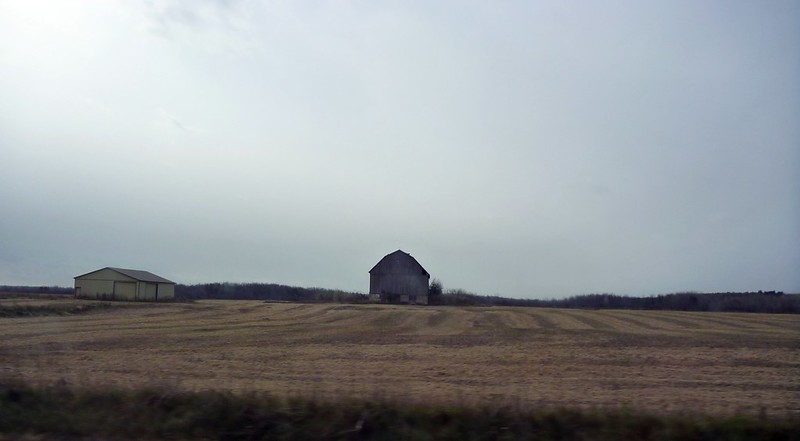
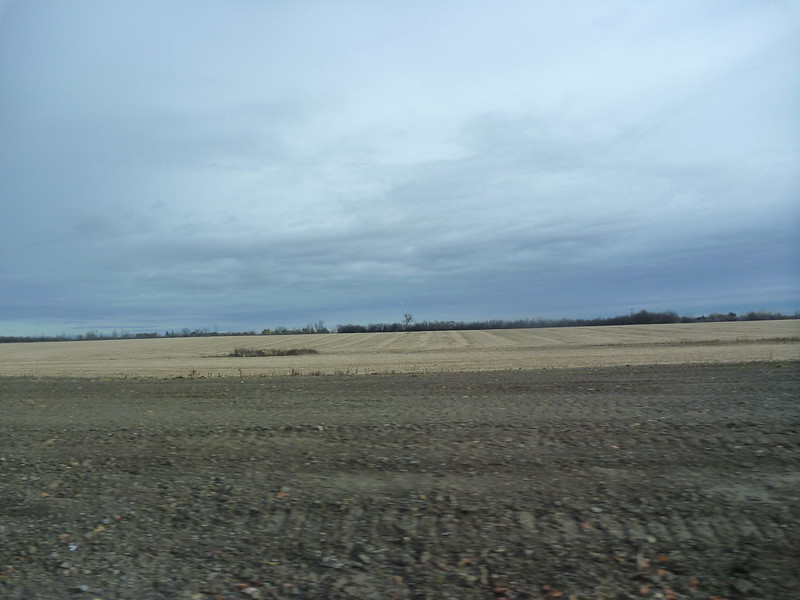
And this is how we passed the day, singing along to E.L.O. and The Eagles, until we came to a fresh highway, a highway that neither we nor Garmina knew, a highway with no signs (not even speed limit signs) and no exits. It was freshly paved, clear and empty, bordered by shivery shorn November farm fields. Not a tractor or cow in sight.

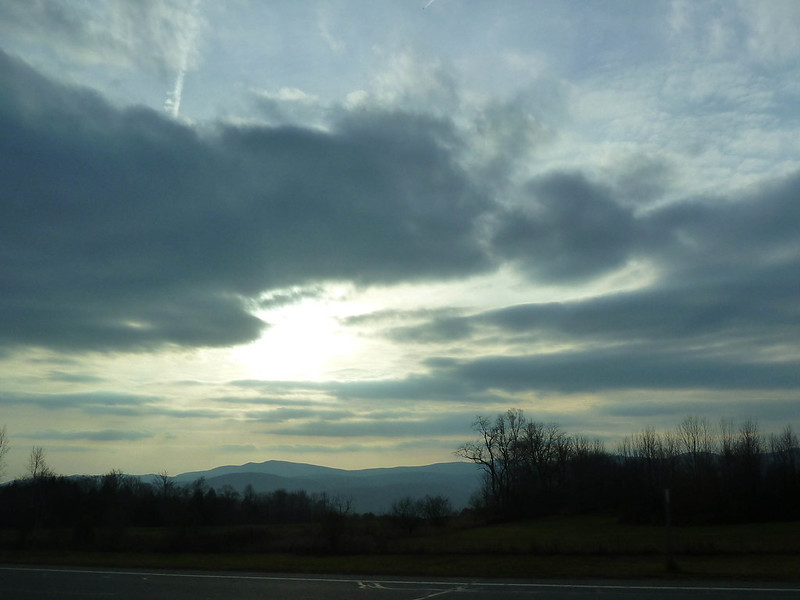
Garmina’s screen cleared. It showed the lonely icon that represented our car, and nothing else. She patiently recalculated and recalculated as we traveled, her internal maps older than the terra incognita we traveled through. Her compass read South. The sun, hazy behind thick clouds, was to our right. We were reasonably sure we were headed in the right direction.

And yet, even with all that evidence, we were nervously giggly with uncertainty. Where were we? Where would we end up? We were lost in clouded daylight on the only road that could possibly have been right. And then, maybe 20 miles later, signs appeared pointing the way to the border crossing and the highway home.

It doesn’t take much to be lost. Or found. You can be driving down a seemingly unknown street in your own city, turn a corner, and then suddenly the whole scene resolves, snaps into place and you know exactly where you are, the map in your mind completed in a new way.

This morning, the lander Philae undocked from the Rosetta spacecraft and touched down on comet 67P (Churyumov–Gerasimenko). Rosetta traveled 10 years to rendezvous with that comet.

She wandered her way through space, following the mathematical road map she’d been programmed to follow, somewhere, but nowhere, for years, while we rose in the mornings, ate our breakfasts, commuted to jobs, met friends for lunch, watched our children grow up, attended funerals and weddings, cried through long nights, watched the fire until it was just embers, forgot our keys, said the wrong thing at the wrong time, showed up just when we were needed, made plans for uncertain futures.

Ten years and now we know where we are. For at least this split second. And then we move on.
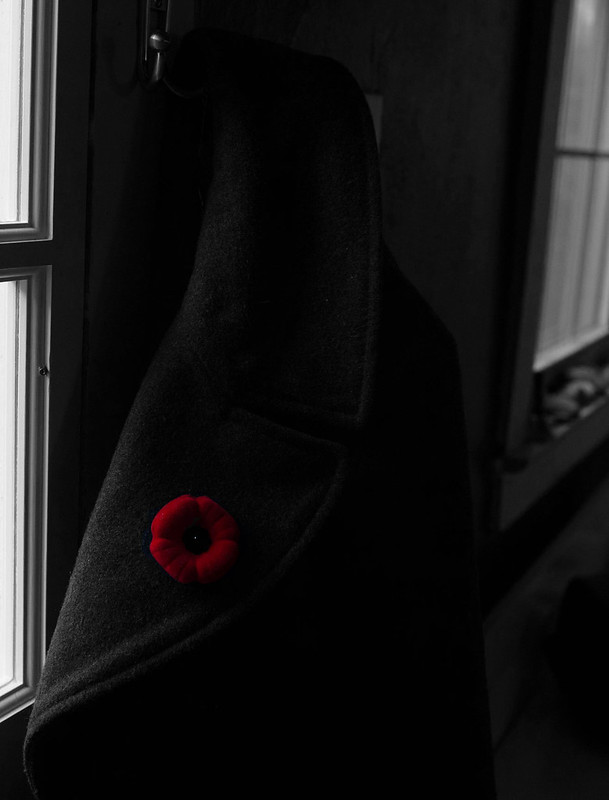
Poppies and Grass

Poppy

Grass

Pile the bodies high at Austerlitz and Waterloo.
Shovel them under and let me work—
                                          I am the grass; I cover all.
And pile them high at Gettysburg
And pile them high at Ypres and Verdun.
Shovel them under and let me work.
Two years, ten years, and passengers ask the conductor:
                                          What place is this?
                                          Where are we now?
                                          I am the grass.
                                          Let me work.

–Carl Sandburg, Cornhuskers (1918)

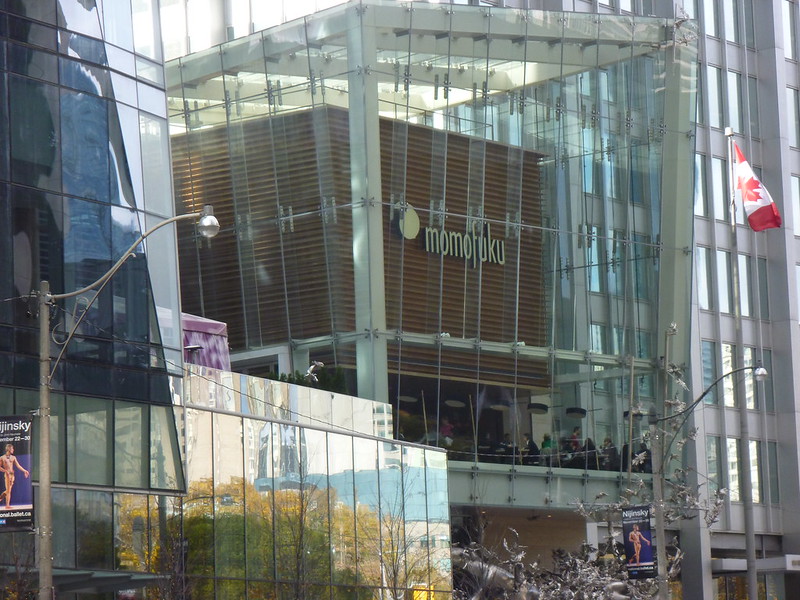
Friday’s lunch: Momofuku daishō

Momofuku Toronto

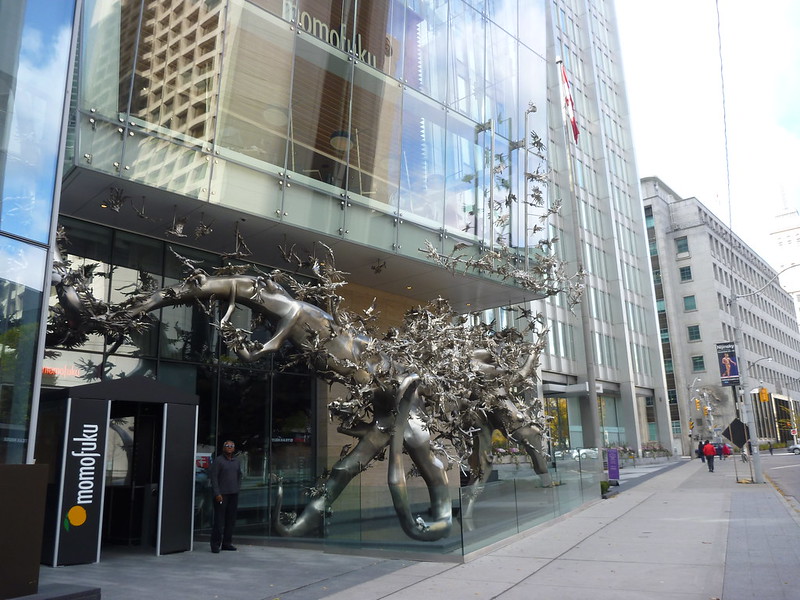
Momofuku entrance

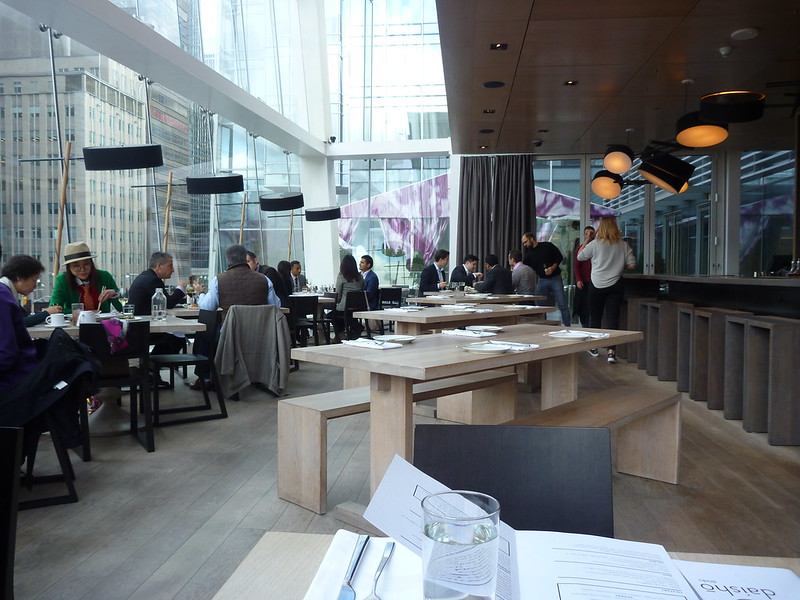
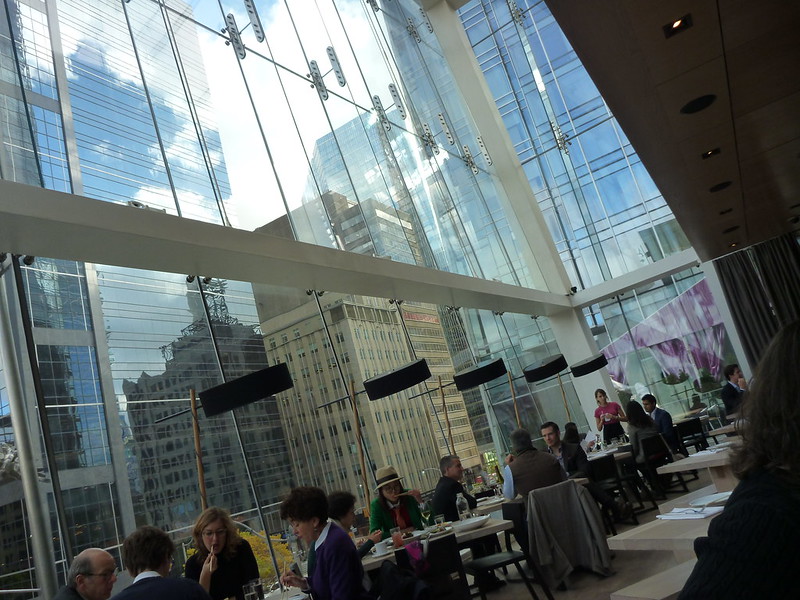
Momofuku daishō dining room

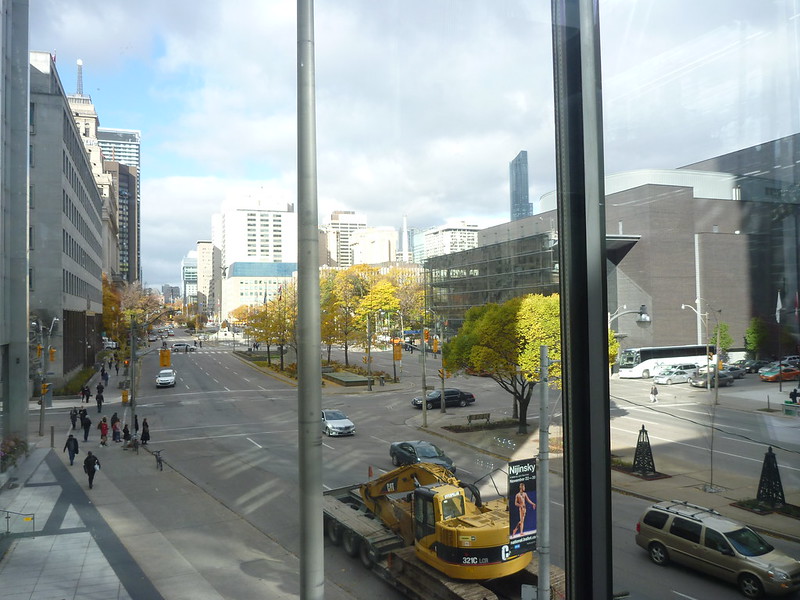
Momofuku daishō - view north

Momofuku daishō dining room

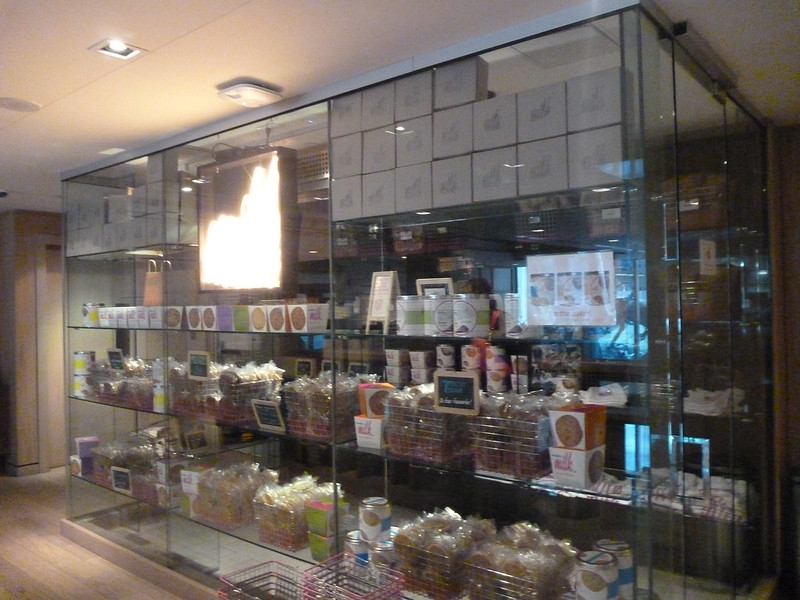
Momofuku milk bar

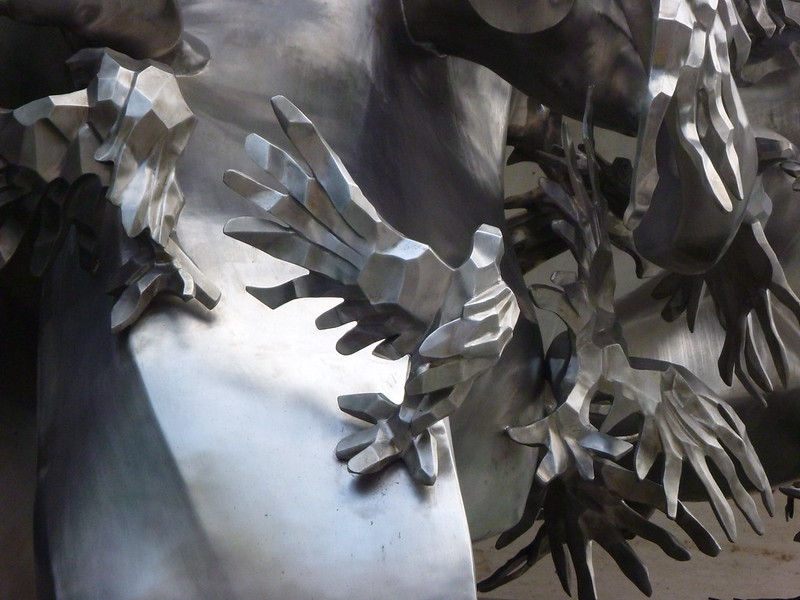
"Rising" - detail

duck bun – date hoisin, picked turnip, scallion
sepia – chinese celery, yuzu, chickpea hozon
roasted rice cakes – spicy pork sausage, chinese broccoli, tofu
grilled mushrooms – monforte sheep’s milk cheddar, watercress, poppy seed
brussels sprouts – fish sauce, puffed rice, mint

2012 nero d’avola, morgante, ‘bianco di morgante’, sicily, italy

dessert (to go):
crack pie
blueberry & cream cookie
compost cookie
corn cookie
cornflake marshmallow cookie

11 minutes til midnight

We left the hotel this morning and headed into the city.

Toronto is huge. The highways are six lanes in each direction, all clogged with commuting cars. The city blocks are lined with stores and restaurants and people of every imaginable type and nationality. There’s construction everywhere.

Toronto is noisy and busy and blustery. Winter blew in from Lake Ontario and barreled down between the skyscrapers.

On the outskirts of the city proper, new highways head north. The city is building itself outward, mile by mile. Toronto keeps stretching her limits, like a sprouting tree, branches and roots extending north, east, and west.

We drove back to the hotel late this evening, a single cell among many on this concrete artery. Above, bright stars spread evenly in the sky, came closer one by one, and resolved into airplane landing lights. As far as I could see, an unending stream of planes was heading to the airport. We were all life in the great city’s bloodstream.