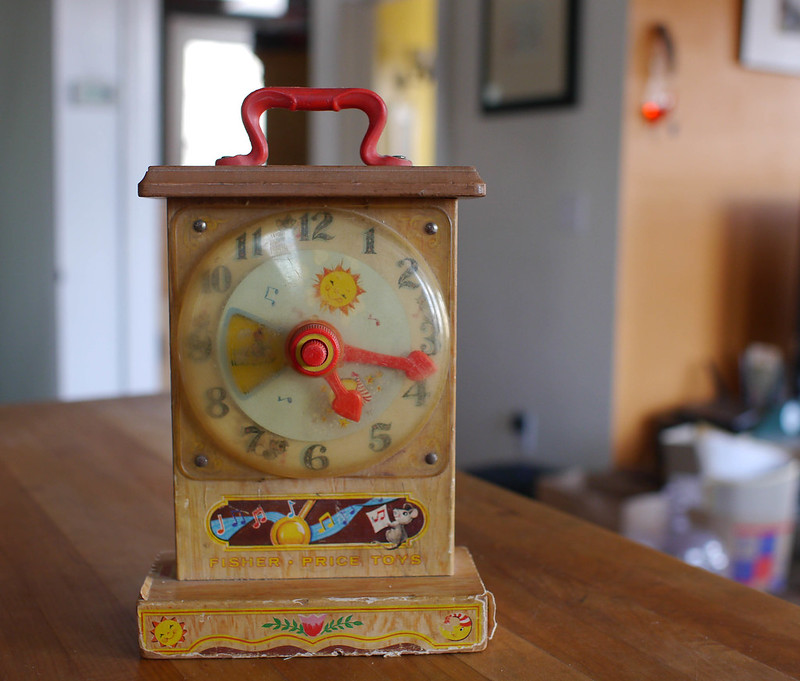
Tick tock

Tick tock

[soundcloud url=”https://api.soundcloud.com/tracks/195424272″ params=”color=ff5500&auto_play=false&hide_related=false&show_comments=true&show_user=true&show_reposts=false” width=”100%” height=”166″ iframe=”true” /]

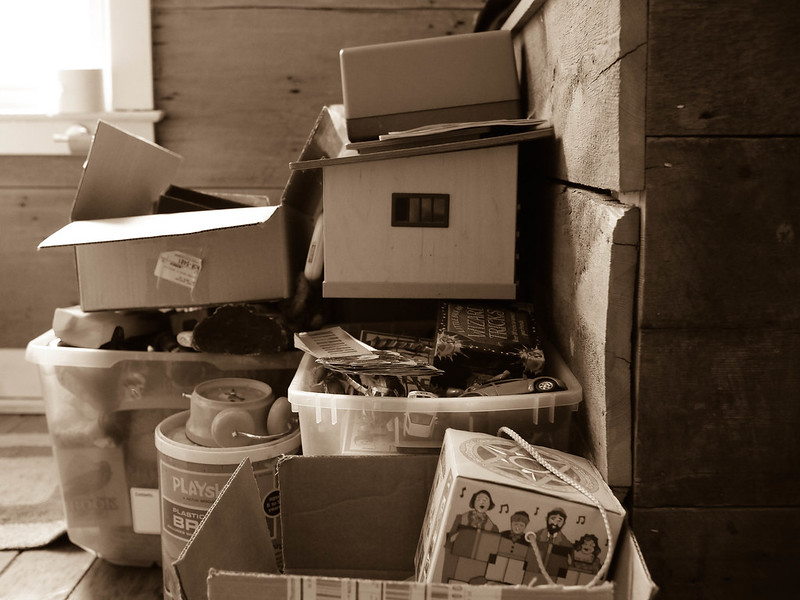
It was long overdue, but none of us were ready for it earlier. So, into the basement and closets it all went: the treasures, the flotsam and jetsam of H’s childhood. Until this week, when M pulled all the boxes into the living room and began to sort.

Decks of cards (some still wrapped in cellophane). Heaps of pens and markers and erasers shaped like animals and flowers and who knows what. Baby toys. Art kits. Magic sets. Scraps of fabric. Pipe cleaners. Rubber stamps. Popsicle sticks. Half-used bottles of bubble solution. Half-filled journals and notebooks. Plastic figurines. Key chains. Shells, sticks, stones, feathers, drift wood. Impossibly tiny doll shoes. Stuffed animals. Unidentifiable bits of plastic. Books, and books, and books.

I expected it to feel emotional (and I’m grateful that M & H did the bulk of the sorting and decision-making without me)—putting behind us one phase of our life in order to prepare for the next—but I didn’t expect the interleaved sensation, seeing the brocade of her childhood woven with threads of our own, memories of her growing up braided with those of our life before and since her arrival, longings for people who gave her things long ago and are no longer here to give her things.

There was plenty of, let’s face it, junk in that pile. Objects that stirred no memories at all.

But when I look at the boxes piled up for donation, I see all at once our expectations, her happy childhood, her growing up and away (in the best, most natural way possible), my own childhood, my approaching half century, my mother, my grandparents, their childhoods and adulthoods, the tiny hands of the next child to play with these toys, their half-closed eyes when they listen to the clock singing its sleepy song.

I’ll say it again: I’m the luckiest girl in the world. Oh, but how life can deliver such beautiful, sad, sweet, sepia-toned stings.

Everything must go

Reading Challenge month 2 – A book you started but never finished

Reading challenge - month 2

[Ed note: This month’s post is brought to you by M, one of my favorite guest bloggers.]

There’s a book I’ve been trying to read for over half my life, and by that I don’t mean a book I’ve always meant to get to but haven’t yet (that would be the Brothers Karamazov), or a book I’ve occasionally thought about getting to but maybe never will (Stephen King’s IT), or even a particular title from the list of books we’re all supposed to have read at some point or another (too many to count).

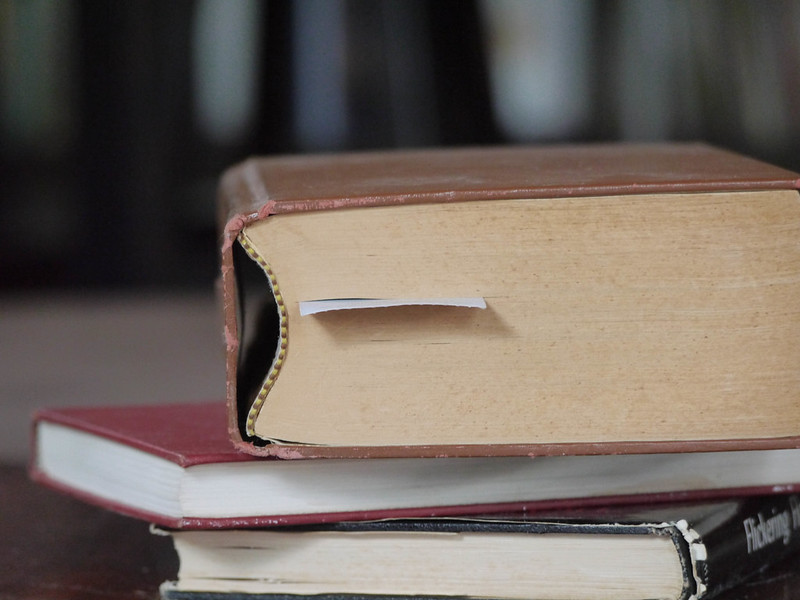
Instead I mean a book I’ve picked up and plowed into with the best intentions, time and again, only to spectacularly and convincingly fail to make any headway with, every time. My sister Anne gave me this book for Christmas or a birthday, probably around 1980, or 1982. I think she found it on the shelves of a bookseller friend of hers in Ann Arbor, but that was long ago and I may be way off. Certainly it was the sort of book you’d have expected to find in a used bookstore in Ann Arbor, then and now. It wasn’t Borders, by the way, but Borders was there then, just the one shop (that’s how long I’ve been trying to read this book: Empires have risen and fallen).

The book was called – is called – “Three Medieval Rhetorical Arts”, and was compiled and edited by a man named James J. Murphy who in the interval between my being given the book and the present has become Googleable, though back then he and his book seemed beyond arcane, and that seemed right up my alley: fairly short (235 pp) and made up of modern English translations of three early medieval prescriptive essays on Letter Writing, Composing Latin Poetry, and Sermonizing. It seemed like an important book to have, and to read.

Unfortunately, the book put me to sleep. Repeatedly and predictably, once or twice every year or so for 30-odd years. It was always on a shelf in plain sight – no forgetting it or shoving it away in a spare bedroom — but on some long winter afternoon or a slow summer evening — sitting up or lying down, quiet or with music playing, indoors or out — I’d pick it up and have a go: zzzzzzZZZZZZZZZZZZ, and always in the first few pages of the first essay, or even somewhere in the short introduction. It was fairly ridiculous; sometimes it bothered me, sometimes it didn’t. But the pattern never changed.

I packed the book up and moved it eight times. It survived the periodic book purges between then and now because it was on that short list of items you’d feel not quite like yourself if you got rid of it — like some small but irremediable change had occurred. But only if I eventually managed at some point to read the thing at least once– never getting to it would have been just depressing.

All of which means that when we started this project and I saw this category listed I thought Oho!, and it doesn’t surprise me that this is the first category I chose.

And hey guess what, I read it. Finally it was easy, and not because I’d given myself a deadline (I’d tried that one before). Or because I thought “OK, if I can only average 10 or so pages a day for a month, that’ll do it” (I’d tried that angle before, too, along with “You don’t have to even enjoy it, just read the book and then tell yourself you did it.”)

What finally worked, oddly, was concentrating on it. I told myself I wasn’t going to skim, I wasn’t going to let my mind wander as i glazed past a paragraph and say that counted. I used a highlighter and a pen, read slowly, took notes, and stopped to think about what I was reading or to look something up. It turned out easy that way, and the book paid me back, as they usually will– I learned a ton of stuff, a lot of which I’d have been happy to have known 20 or more years ago. I laughed a few times. There were interesting connections to works I already knew, and generally it was a light shining into corners I’d spent a lot of good times in long, long, ago. I’m happy to have finished it: introduction, appendices and all.

Three Medieval Rhetorical Arts, 235pp., James J. Murphy, Ed., © 1971 by the University of California Press (Berkeley, Los Angeles and London).

Highly Recommended for Students of Early Medieval Epistolary, Prosodic, or Homiletic writing, for the General Reader interested in a challenge, or for anyone who likes a good long nap.

~~~~~~~

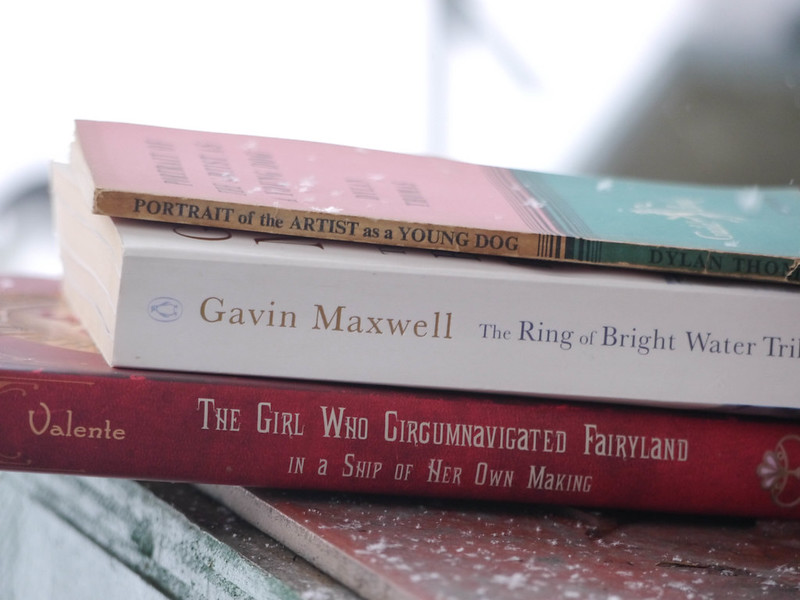
Our books for month 2:

We’d love to know what you read this month. Please leave a comment telling us about it!

The category for the coming month is:
Month3

We’ll see you back here on April 9!

~~~~~~~~
This post is part of our multi-year reading challenge. We’d love to have you join us for the whole challenge or any portion. Take a look at the checklist to see the current category (in green). We’ll announce the next category on the 9th of each month.
Here and elsewhere

Here and elsewhere

A Sunday in late winter.

Just at that point in the season where, if you put a certain album on the stereo, settle yourself into the chair by the window, tilt your face up to the strengthening sunlight, close your eyes and ignore the wind outside and the eight-foot pile of snow that’s accumulated on the porch and the rug that’s covered with splinters from the firewood… for a few minutes anyway, it doesn’t matter where your body is, because you’re swaying gently to a rhythm that’s never heard of winter, that doesn’t know from ice and snow, that delivers you the tonic of a warm sea breeze rustling through palm fronds, a strumming that assures you that summer’s still there, out over the ocean, coming this way on steadily beating wings.

Just wait.

Denial is an ocean

One of hundreds

[soundcloud url=”https://api.soundcloud.com/tracks/192153957″ params=”color=ff5500&auto_play=false&hide_related=false&show_comments=true&show_user=true&show_reposts=false” width=”100%” height=”166″ iframe=”true” /]

I’ve heard the reports. Negative abysmal temperatures again tonight. Let’s just pretend, shall we?

Let’s say we’re in that cottage by the ocean. You know the place. We’ve just unloaded the car and are hurriedly running around to see what’s changed since last year, claiming bedrooms, putting the sheets we’d packed only hours ago onto welcoming beds, pulling back the curtains.

Then running out the door (let that screen door slam) and down the sandy path to the dune above the beach. It’s late and getting dark, but we can still see enough to see how steep the slope is. Kick off those shoes. They’re safe. Unleash the dog. He knows the way. Hit the sand with our bare feet and it feels cold, but not enough to stop us.

Let gravity pull us down that dune. Let the ocean pull us across the high tide line of wrack, driftwood, charred wood from someone else’s beach fire.

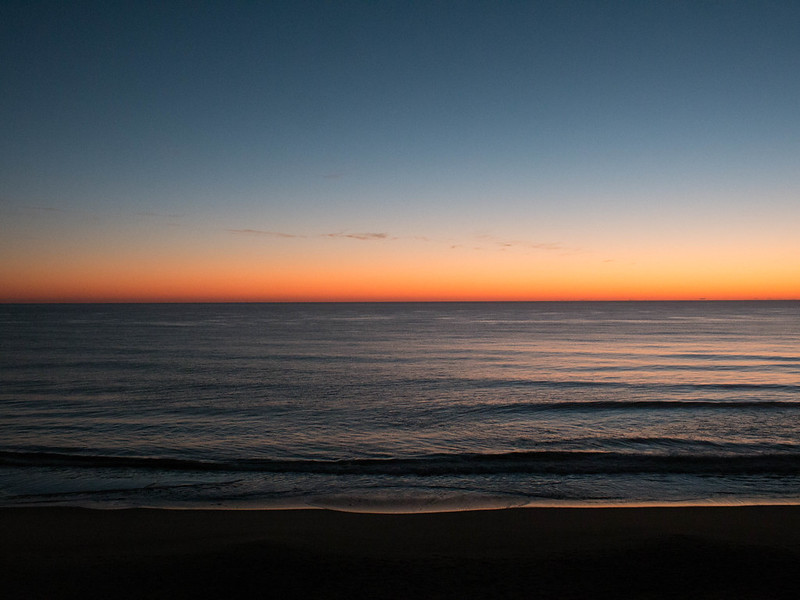
Look! The sun’s just setting and the gulls are quieting. Is that a seal or a wave? Too dark to tell.

The dog’s already ankle-deep in foam. The ocean’s laughing. The waves are kicking up a fuss, reaching and receding, frizzling and falling over itself in excitement that we’re finally here.

Everyone else is leaving; they must have dinner plans. But we? We have potato chips and hot chocolate in the cottage, and we’ll get to that by-and-by. We have all the time in the world.

The root of the root

The root of the root

i carry your heart with me(i carry it in
my heart)i am never without it(anywhere
i go you go,my dear;and whatever is done
by only me is your doing,my darling)
                                                    i fear
no fate(for you are my fate,my sweet)i want
no world(for beautiful you are my world,my true)
and it’s you are whatever a moon has always meant
and whatever a sun will always sing is you

here is the deepest secret nobody knows
(here is the root of the root and the bud of the bud
and the sky of the sky of a tree called life;which grows
higher than soul can hope or mind can hide)
and this is the wonder that’s keeping the stars apart

i carry your heart(i carry it in my heart)

–E. E. Cummings, Copyright 1952, © 1980, 1991 by the Trustees for the E. E. Cummings

A brightness

Is the coast clear?

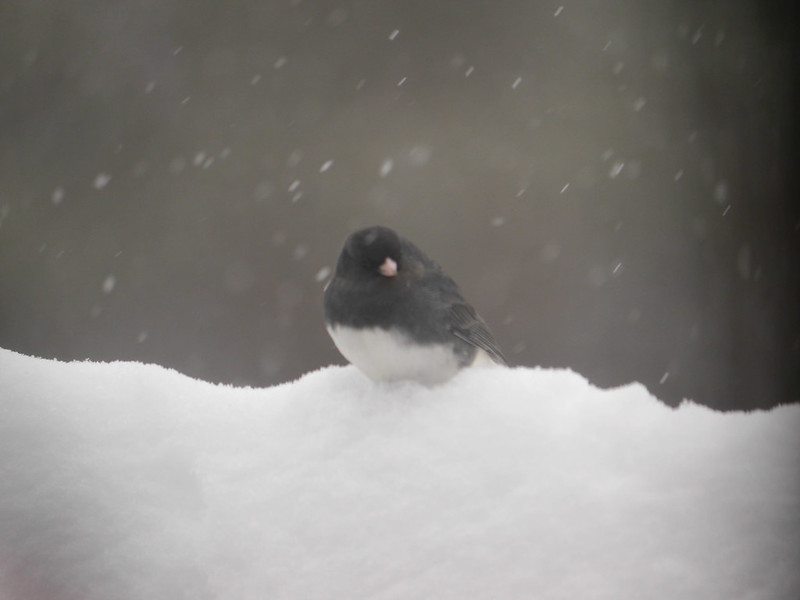
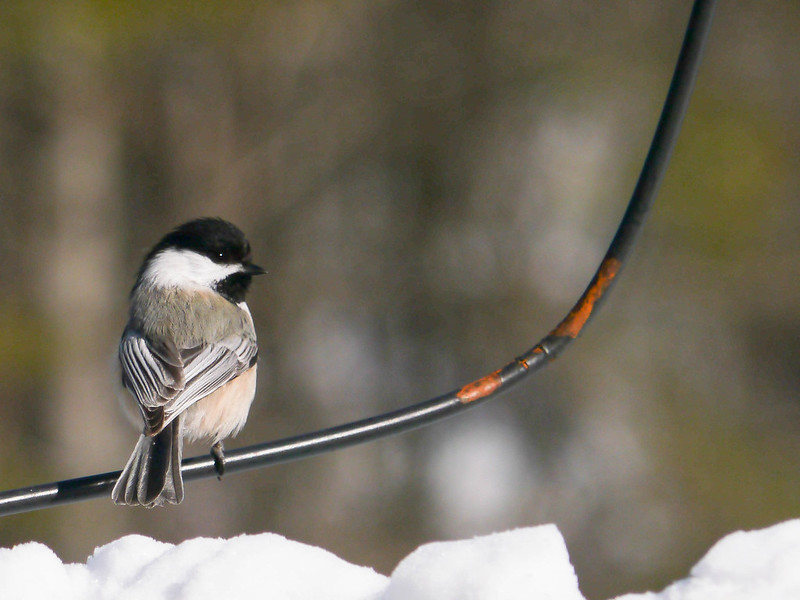
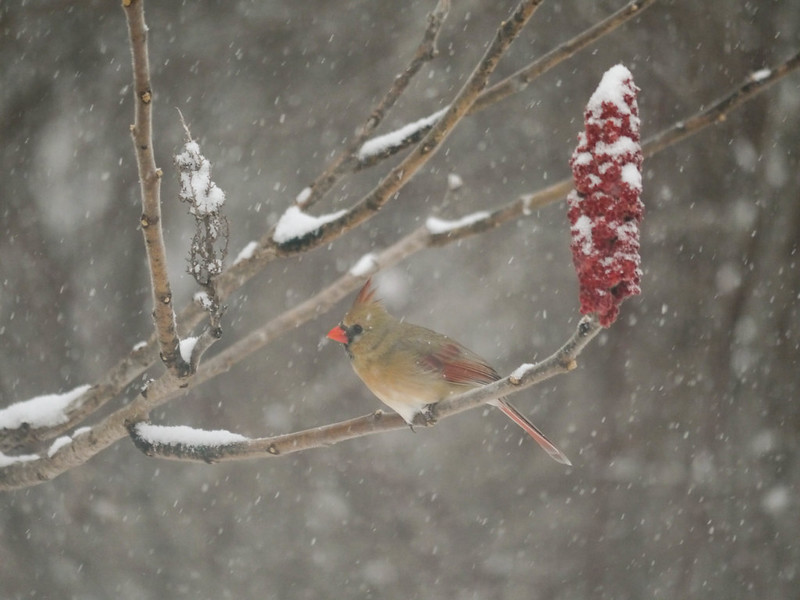
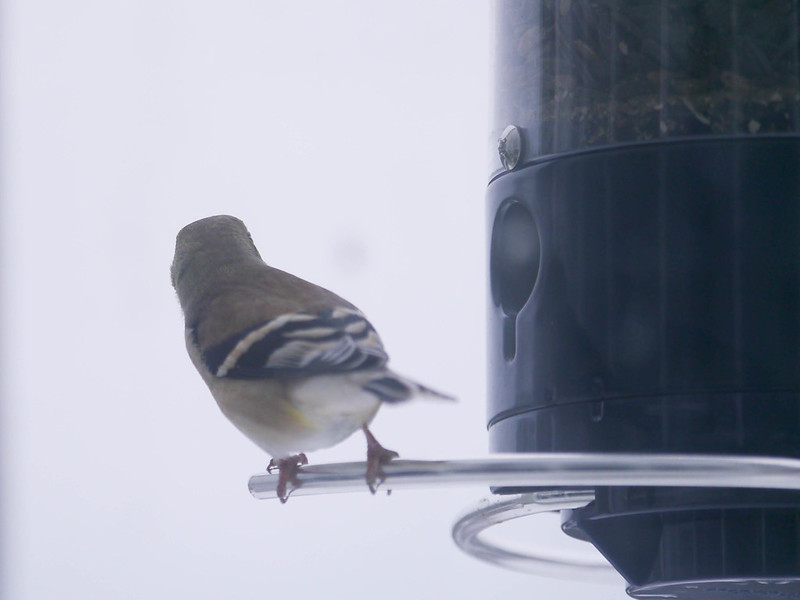
Bird at the Window

Beyond is a brightness
I am not equal to

Yet what I see
Turns into what I want,

And to bring nothing but this body
To pass through

The one thing between
Myself and what I crave,

Almost done, the world a ruin
Of leaves, winter at the throat,

My song over and over until
So familiar I can do

What I am about to do
While you who rise from the table

And walk from room to room
Will remember only the sound

Of what cast herself through
All that glass, instead of the song

That was sung until finally
You would ask to know more.

–Sophie Cabot Black, Poetry (June 2008)

Reading Challenge month 1 – A book set in a different country

Book challenge - week 1

In 1956, Gavin Maxwell was traveling in southern Iraq when it occurred to him that he would like to own an otter (his beloved dog had recently died). Though he had a flat in London and traveled widely, he also had tenancy of a remote house in Sandaig, on the western coast of Scotland, and he thought an otter would live a happy life there, encircled by the ring of bright water.

He knew nothing of raising an otter, and the first one he adopted died after a short time in his care, before they even made it back to Scotland. And then he found Mijbil. The first encounters are delightful, with Mij curling up with Maxwell in a sleeping bag for the night. Maxwell describes Mij’s antics in the London flat, his affectionate and curious behavior, as well as his destructive tendancies. We see Mij in harness and leash, being walked on London streets, or playing with toys or in the bath.

Soon after, they travel up to Scotland and Mij is slowly given freedom to explore the land and water around the house: an otter’s paradise of streams, waterfalls, ocean, and fish. It’s all as sweet as a fairy tale.

But we know that all fairy tales have dark underpinnings, and so goes the story of Maxwell and his otters. Because, of course, otters are wild animals and, though darling and affectionate when young, they grow up to be adult wild animals, who have sharp teeth and claws, and unpredictable natures.

The first book in the trilogy, Ring of Bright Water, describes the best, most hopeful years of the endeavor. Other otters are adopted. And Greylag geese. Maxwell furnishes and renovates the previously empty house. He buys and renovates a boat. He marries (briefly). He has friends come to help care for the growing menagerie. He writes. And he writes beautifully.

One of my favorite passages is from early in the book, about the elver migration he witnesses at Sandaig, and another is his description of his neighbor’s children and their encounter with a rush of herring fry in the bay:

The sun was very low; the shadow of the house lay long and dark across the grass and the rushes, while the hillside above glowed golden as though seen through orange lenses. The bracken no longer looked green nor the heather purple; all that gave back their own colour to the sun were tge scarlet rowanberries, as vivid as venous blood. When I turned to the sea it was so pale and polished that the figures of the twins thigh-deep in the shadows showed in almost pure silhouette against it, bronze-coloured limbs and torsos edged with yellow light. They were shouting and laughing and dancing and scooping up the water with their hands, and all the time as they moved there shot up from the surface where they broke it a glittering spray of small gold and silver fish, so dense and brilliant as to blur the outline of the childish figures. It was as though the boys were the central decor of a strangely lit baroque fountain, and when they bent to the surface with cupped hands a new jet of sparks flew upward where their arms submerged, and fell back in brittle, dazzling cascade.

Alone, that passage is beautifully evocative, but it’s the next part that I can’t forget:

Then I saw that a hundred yards out on the surface was ruffled by flurries of mackerel whose darting shoals made a sputter of spray on the smooth swell of the incoming tide. The mackerel had driven the fry headlong before them into the narrow bay and held them there, but now the pursuers too were unable to go back. They were in turn harried from seaward by a school of porpoises who cruised the outermost limits of their shoal, driving them father and farther towards the shore. Hunter and hunted pushed the herring soil [fry] ever inward to the sand…Beyond them, black against the blanched sunset water, rose the towering sabre fin of a bull killer whale, the ultimate enemy of sea creatures great and small, the unattackable; his single terrible form controlling by its mere presence the billion of lives between himself and the shore.

The layers on layers, the way each each action has a reaction, the way one thing leads to an inevitable other. The story of “Ring of Bright Water” ends on a hopeful note. The next two books in the trilogy tell of sadness and disaster heaped on disaster, but I still can’t forget the golden early days when even a mad idea seemed like a good idea.

~~~~~~~

Our books for month 1:

We’d love to know what you read. Please leave a comment telling us about it!

The category for the coming month is:

Month2

We’ll see you back here on March 9!

~~~~~~~~
This post is part of our multi-year reading challenge. We’d love to have you join us for the whole challenge or any portion. Take a look at the checklist to see the current category (in green). We’ll announce the next category on the 9th of each month.

The bell behind our lives

Buoy bell

[soundcloud url=”https://api.soundcloud.com/tracks/189842113″ params=”color=ff5500&auto_play=false&hide_related=false&show_comments=true&show_user=true&show_reposts=false” width=”100%” height=”166″ iframe=”true” /]

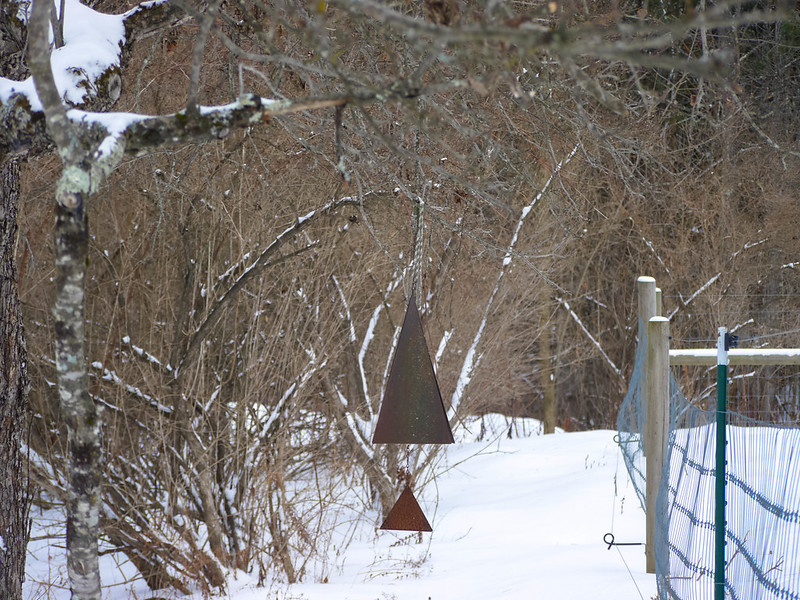
The buoy bell was a housewarming gift from M’s family when we bought this little chunk of Vermont all those years ago.

Back then, if you remember, the house was up near the road. Far down the slope of a yard stood some ancient apple trees. M took an old hank of rope, threaded it through the top of the bell, looped it over the branch of one tree, knotted the rope. And there she still hangs.

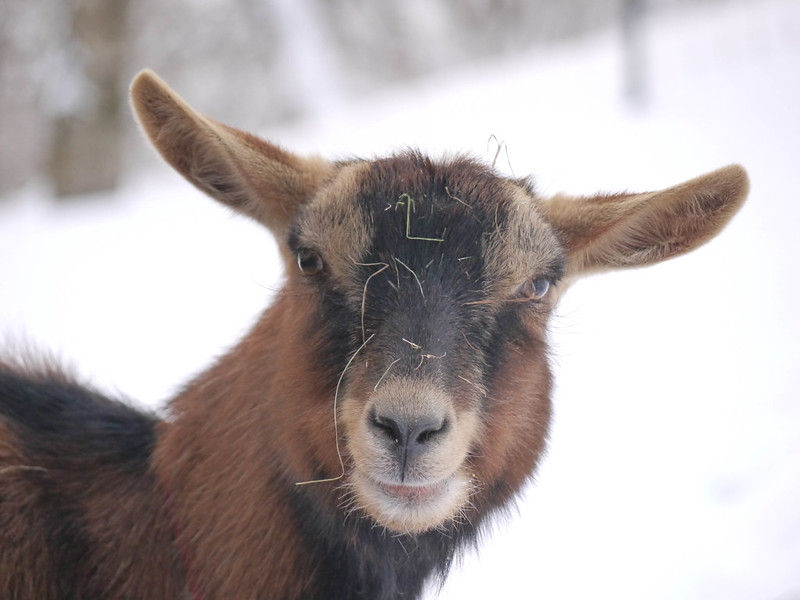
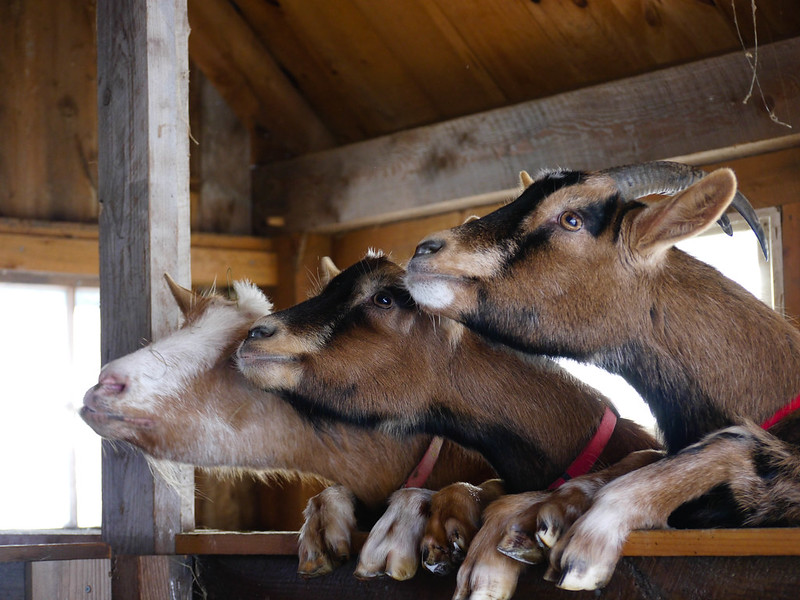
Over the years, the tree has grown older and rangy, the house has moved down the slope, the goat fence has arrived (followed by the goats). And there she still hangs. Silent witness until the wind whispers up and shakes everything in its path.

The other day there were rumors of snow. We’d been fooled a few days earlier when the blizzard that silenced Boston decided to hug the coast. School was cancelled in anticipation of two feet of snow and nothing happened. The day was cloudy and quiet.

Then, in that next wave, the wind came up in long steady strokes and set the bell to ringing and ringing, announcing the coming storm. I could see the wind rustling the high thin branches of the trees, but it was the bell that told me that something worth noting was happening.

You’d think we’d be driven mad by the sound of that bell out there, but somehow it’s faded into the background and we have to actively listen to hear it. The way you can stop hearing the train that runs behind your house after awhile. The way you can miss the quarter-hour tolling of the grandfather clock you grew up with. The way, when we first moved here, our land smelled like a pine forest where we’d pitch a tent, and every day seemed like vacation, and now it just smells like home.

The way the thing you treasure most seems lost to you, but is all along sitting in the palm of your hand, warm and waiting to be noticed.